Modern farming has to manage several pressures at once: input costs, changing weather patterns, soil health, labour, market requirements and the need to produce more responsibly. Research helps turn those pressures into questions that can be tested rather than guessed at.
Research is the foundation, not the finish line
A successful trial can show that an idea has potential. Adoption requires another set of questions: Is the method affordable? Can farmers use it consistently? Does it suit the local crop and climate? Is the benefit large enough to justify the change?
- Field trials help compare products and practices under defined conditions.
- Farmer observation adds context that a controlled trial may not capture.
- Production data can reveal patterns in timing, yield, cost and quality.
- Ongoing evaluation helps separate a repeatable improvement from a one-off result.
Appropriate technology over impressive technology
Precision tools, smart irrigation, drones and remote sensing can improve agricultural decisions. The most appropriate tool is the one that addresses a specific constraint and can be maintained within the operating environment. A simpler system that is used well can create more value than a sophisticated system that is difficult to sustain.
Connecting research with commercial practice
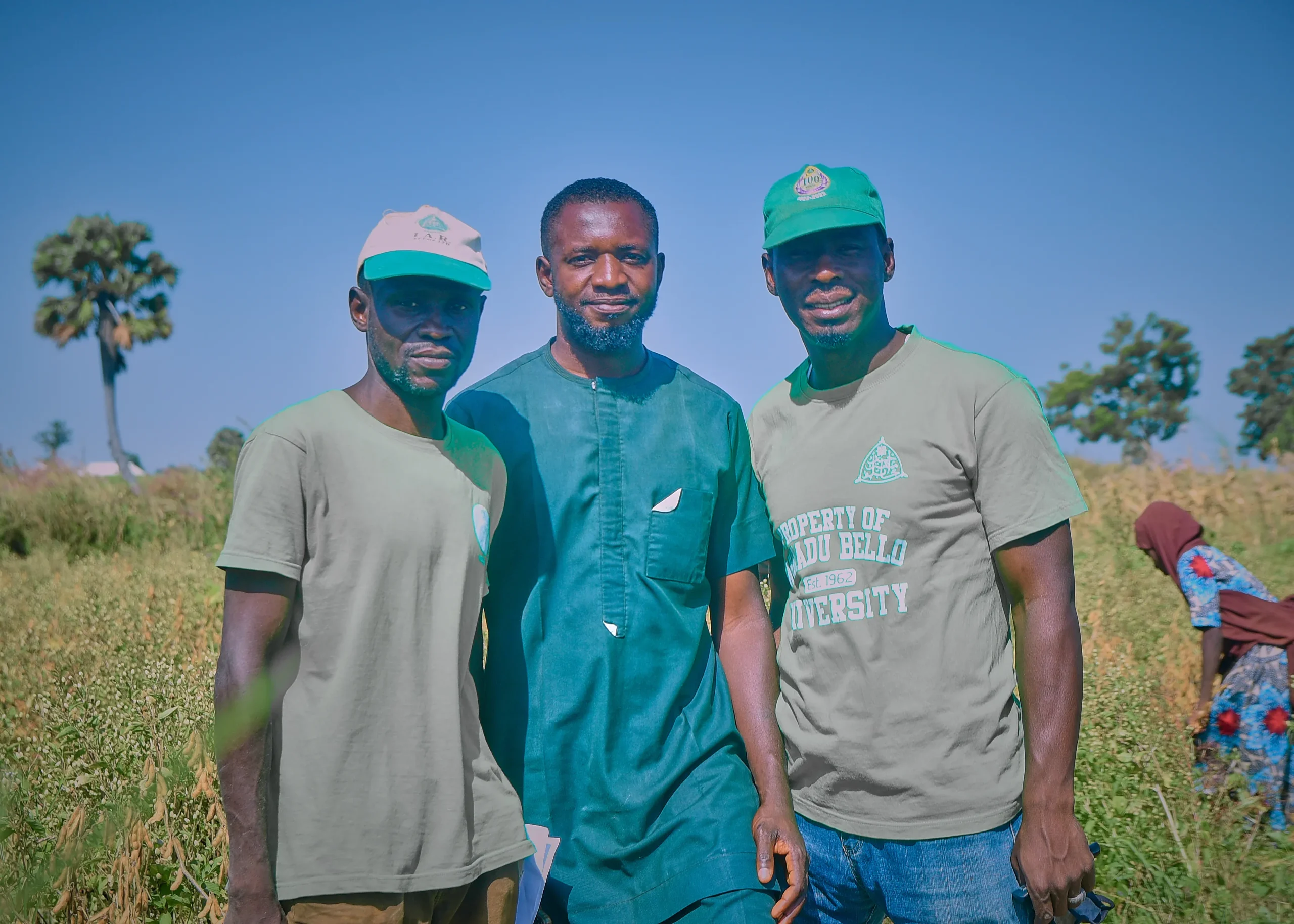
Heekmah Group’s work with the Institute for Agricultural Research at Ahmadu Bello University on field evaluation linked to Topper® reflects this connection. Research provides a disciplined way to assess a product; commercial and farmer experience help show how it performs in practical use.
What the future requires
The future of agriculture will combine biological knowledge, equipment, data and strong market relationships. But the centre of the system remains human: farmers, researchers, operators and customers using evidence to make better choices. Research is most powerful when those choices become practical improvements in the field.