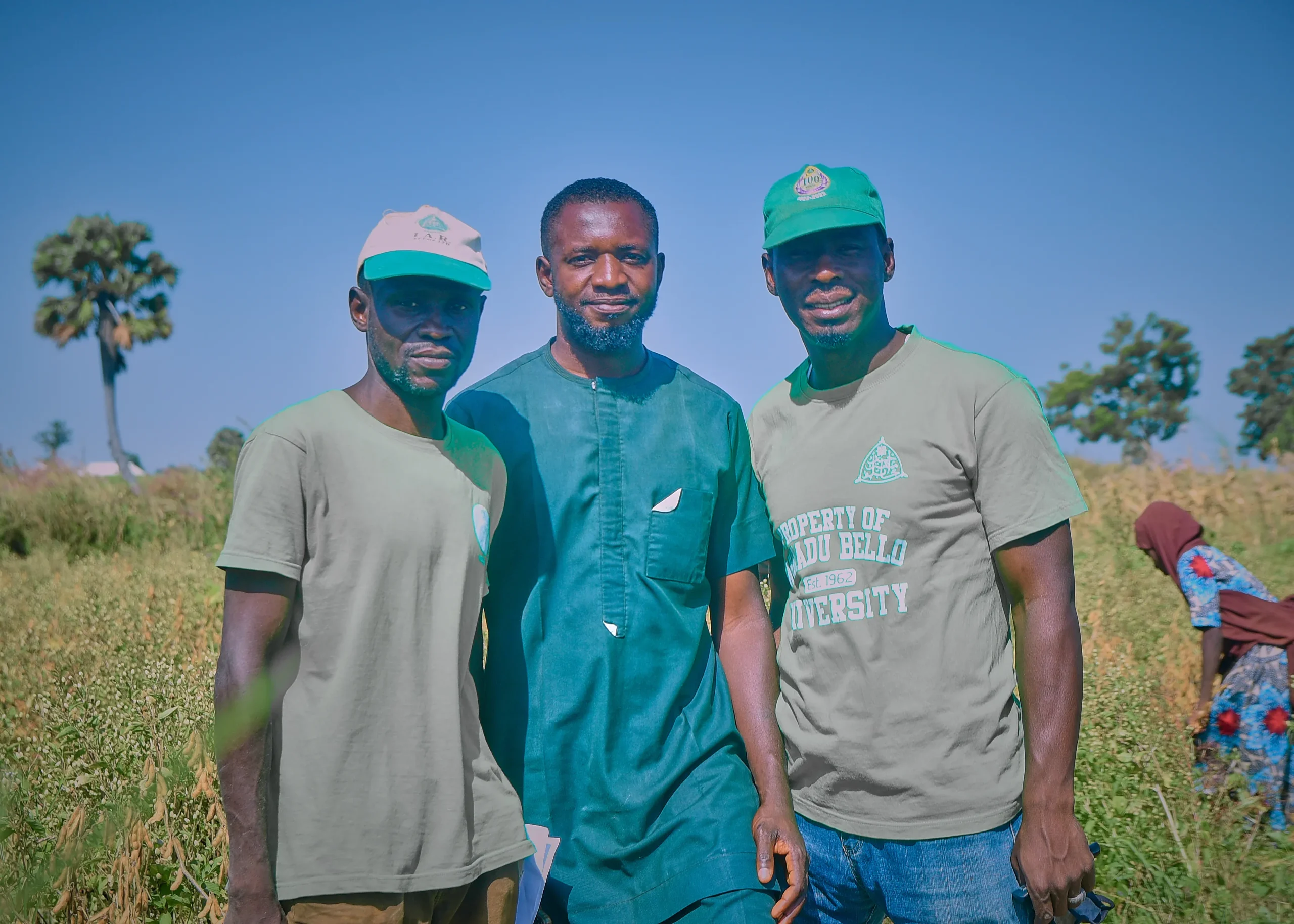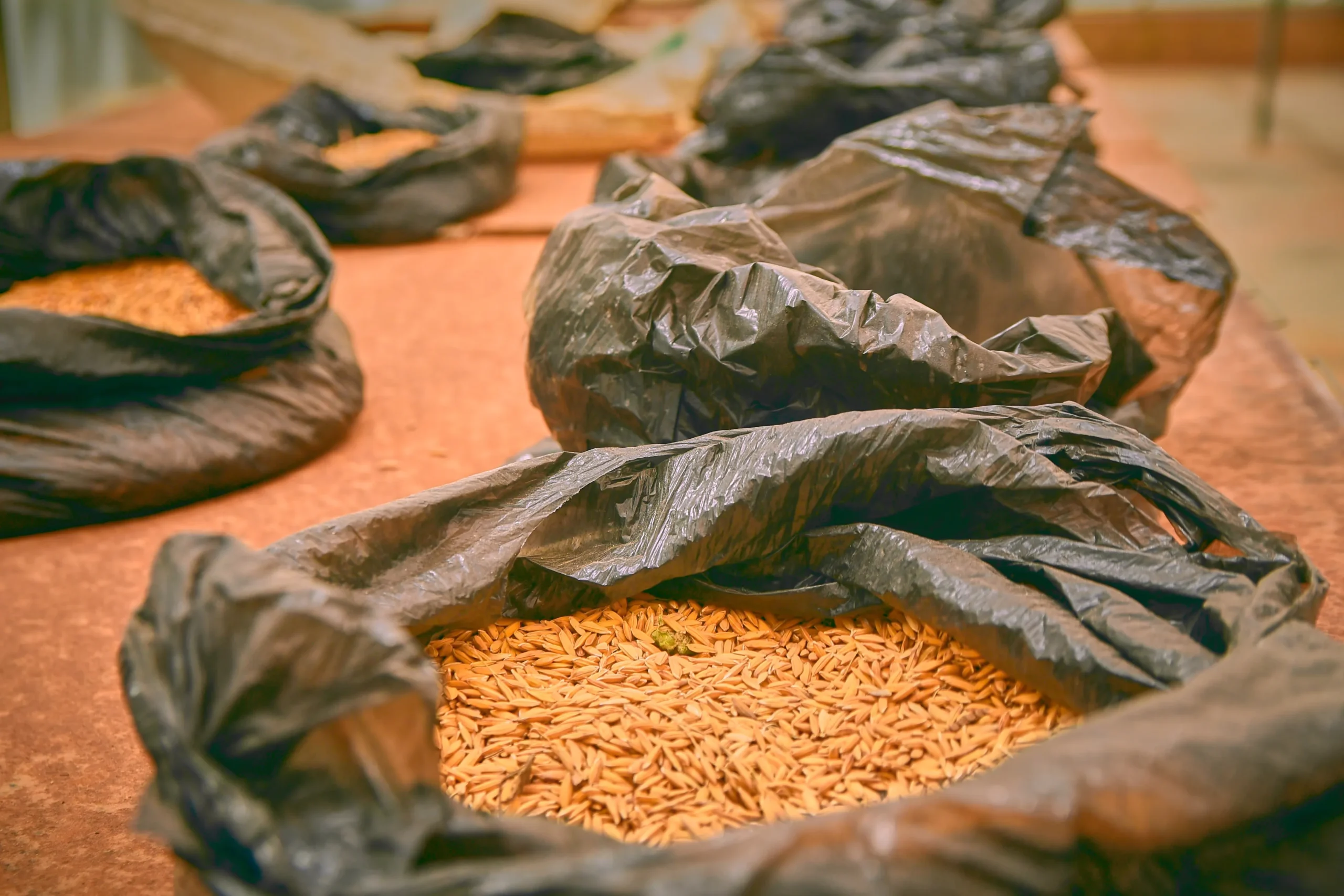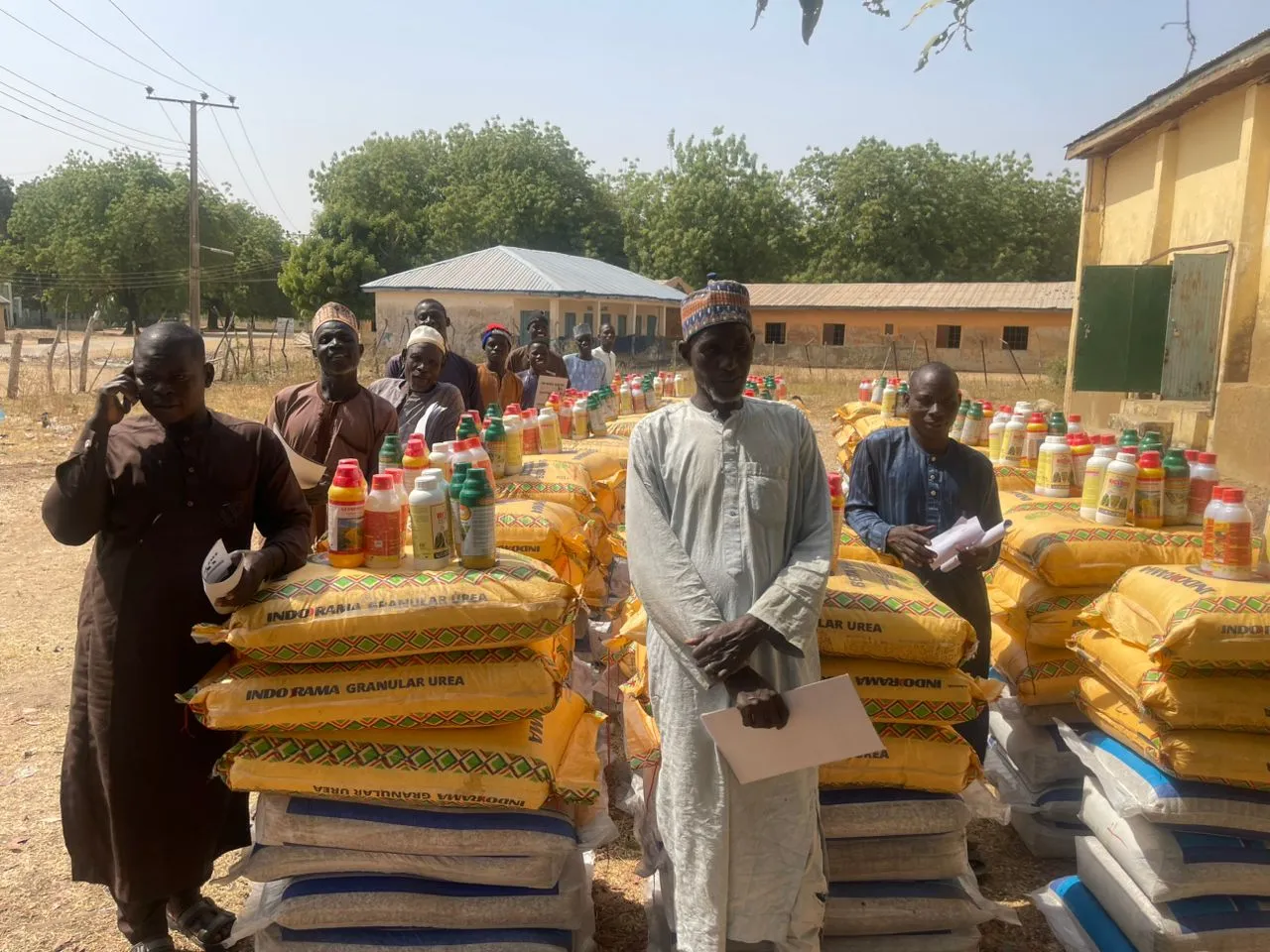
Kebbi State is widely known for agriculture. Its farming communities produce rice, wheat, millet, sorghum and maize, among other crops, and the sector remains a major source of work and local commerce.
A strategic agricultural base
The state’s agricultural potential is shaped by more than fertile land. Production knowledge, irrigation opportunities, market demand and investment in processing all influence how much value remains within the region.
- Rice is one of the crops most closely associated with Kebbi’s agricultural growth.
- Wheat, millet, sorghum and maize broaden the state’s contribution to food production.
- Processing capacity can reduce post-harvest loss and create a more dependable market for farmers.
- Farmer support can improve access to suitable inputs, knowledge and equipment.
Partnerships around production
The strongest agricultural programmes connect several parts of the value chain. Farmers need timely inputs and practical support. Processors need consistent supply. Buyers need predictable quality. When those needs are planned together, the result can be more resilient than an isolated intervention.
Technology should answer a real constraint
Digital platforms, improved crop varieties, smarter irrigation and better field data can all play a role in agricultural development. Their value depends on fit: cost, access, local capability and the specific production problem they are meant to solve.
The opportunity ahead
Kebbi State has the ingredients to deepen its role in Nigeria’s food system. Continued progress will depend on reliable infrastructure, responsible investment, farmer capability and market relationships that reward quality and consistency.